Where Bolton Cars Tend to Stop: Five Local Trouble Spots and a Level-Headed Exit Plan
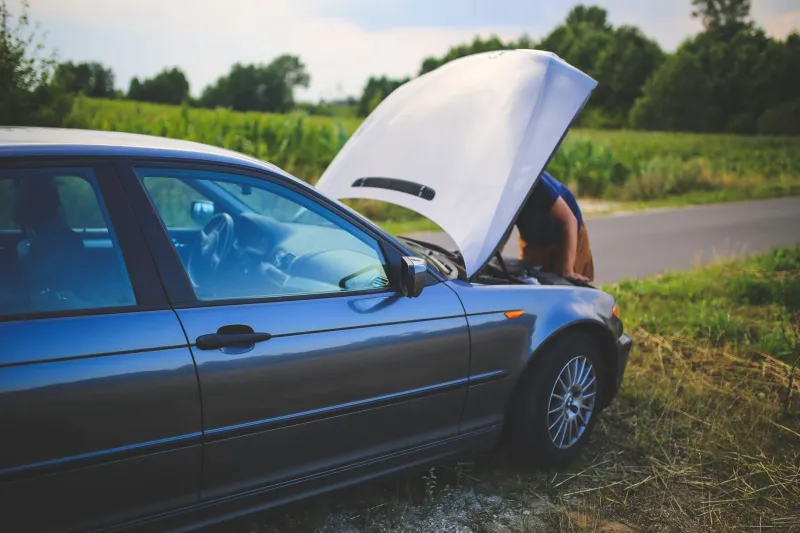
There is no jinx on certain Bolton roads. What there is, usually, is a mix of traffic, gradient, weather and drivers already running late. As of November 2026, the same handful of places still account for a lot of the calls we take. None of them are scary if you know what you are dealing with. The trick is to stop safely, say where you are clearly, and let the recovery team do the rest.
1. The A666 approach into Bolton
The A666 into town is a classic stop-start stretch. Clutches get hot, batteries get tired, and an engine that was fine on the open road can start to sulk when it is asked to creep forward for twenty minutes. Low fuel is a quieter culprit — plenty of drivers pass the last easy filling station because they think they will get one nearer home.
What to do:
- Switch on your hazards early, not at the last second.
- If the car will roll, aim for a side street, lay-by or wide verge rather than sitting in a live lane.
- Keep your wheels straight if you stop near a kerb, and apply the handbrake.
- Stay inside if traffic is moving close by. Do not stand behind the car.
- Call recovery and give the direction you are travelling, the nearest junction or shop, and whether you are blocking a lane.
Tell recovery: “I am on the A666 heading into Bolton, just past the last junction before town, hazards on, in the left-hand side street.” That is far more useful than a postcode alone.
2. Blackburn Road climbing through Astley Bridge and Egerton
Steep climbs expose cooling and clutch problems. Add parked cars, buses and impatient queues and you have a spot where a car can fail and suddenly feel very exposed. If the temperature gauge climbs, do not keep going in the hope that the top of the hill will fix it.
What to do:
- Pull into a side road or a safe gap as soon as you can. Avoid stopping on a blind bend.
- If steam is coming out, leave the bonnet closed. Opening it can be dangerous and can make things worse.
- Put passengers somewhere safe behind a wall or barrier, not on the road side.
- Call recovery with the nearest street name, bus stop or landmark — “just above the Egerton crossroads” is good local detail.
- Mention the gradient and whether you are blocking a lane. Recovery drivers plan differently for a steep, narrow road.
Tell recovery: “I am on Blackburn Road heading up through Egerton, near the church, car is overheating, I am partly in the road.”
3. Belmont and Rivington moorland edges
The edge of the moors is beautiful and unforgiving. Wind, rain, ice and patchy phone signal all turn up together. A breakdown here is rarely about the view and more about warmth, visibility and being honest about how exposed you are.
What to do:
- Get as far off the carriageway as the verge allows, hazards on.
- Stay in the car if it is safe and warm enough. You are easier to spot and better protected from wind and rain.
- Put on extra layers and keep the phone charged. If you have a what3words location, have it ready.
- Do not wander onto the moor to find signal unless it is clearly safe and you know exactly where you are going.
- Call recovery with the last village you passed, the road name and any gate or farm landmark.
Tell recovery: “I am on Belmont Road heading towards Belmont, just past the last junction, near a cattle grid, car will not restart.”
4. M61 slip roads around Bolton
Motorway slips are fast, narrow and not designed for pondering. A car that dies on a slip road or hard shoulder needs a clear, quick response. The biggest risk is usually other traffic, not the fault itself.
What to do:
- If you can reach the hard shoulder, do so. Hazards on immediately.
- If you are in a live lane and the car will not move, call 999 first and follow police advice.
- On the hard shoulder, leave the car only if it is safe — passenger side first, behind the barrier.
- Keep everyone away from the carriageway. Do not stand between the car and traffic.
- Give recovery the junction number, direction and nearest marker post.
Tell recovery: “I am on the M61 near Bolton, junction 4 slip heading south, hard shoulder, hazards on, no one is injured.”
5. Chorley Old Road and Scout Road towards Smithills
This is narrow, bendy, residential in places and exposed higher up. Parked cars can force you into the middle of the road, and winter grit does not always reach every corner. A breakdown here often means a blocked lane and a driver unsure whether to move the car at all.
What to do:
- If the car will roll, ease it into a gateway or wide verge. Do not force it into a ditch.
- Hazards on. Keep wheels straight and handbrake on.
- Do not place a warning triangle on a blind bend or where it puts you in danger.
- Give recovery the nearest house number, bus stop or side street. “Opposite the Smithills turning” is useful.
- Tell them if the road is blocked in one direction and whether a van can get past.
Tell recovery: “I am on Scout Road heading towards Smithills, near the last bend before the houses, car is dead in the road, one side is passable.”
What to tell recovery, wherever you are
You do not need a perfect address. You need five things:
- The road name and direction you are heading.
- The nearest junction, landmark, shop, bus stop or village.
- Your vehicle make, model and colour.
- Whether you, passengers or pets are safe and out of traffic.
- Whether you are blocking a lane, on a bend, or somewhere a large vehicle may struggle.
A short script helps: “Hello, I am broken down in Bolton. I am on [road], heading [direction], near [landmark]. The car is a [make, model, colour]. We are safe and out of the road. The car will not restart and I am partly blocking the left-hand side.”
The calm bit
Most breakdowns are boring, not dramatic. The risk usually comes from standing in the wrong place or trying to fix something at the roadside. Get yourself and anyone with you somewhere safer, make the call, and let the recovery team handle the rest. Bolton has plenty of awkward corners, but none of them are improved by panic.