Small Passengers, Big Plan: A Family Breakdown Routine for Bolton Roads

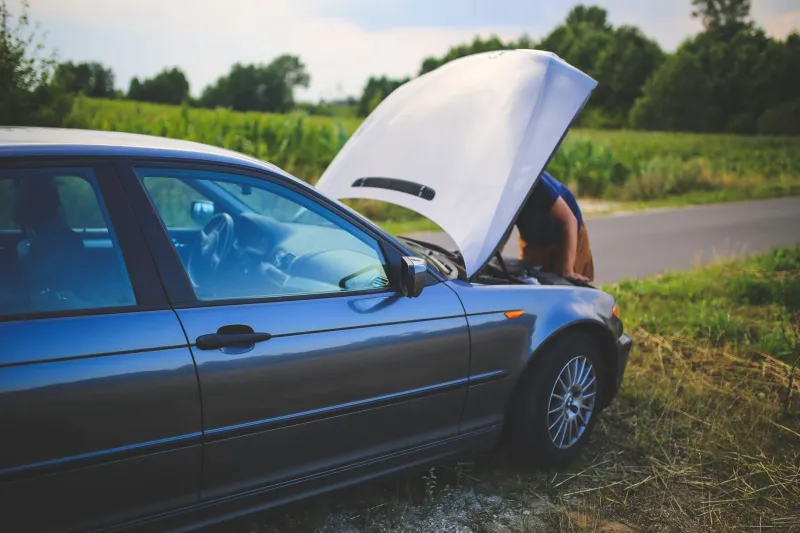
Photo: family car breakdown child dog roadside safety UK, via c8.alamy.com
A breakdown with adults in the car is an inconvenience. Add a child, a dog, or both, and it becomes a small logistics operation. The good news is that a simple routine covers most of it. You do not need to be a mechanic or carry half a camping shop. You need a bit of kit, a clear head and a phone call that gives recovery the right information.
Before you set off: the family kit that earns its space
Keep this in a bag you can reach without unpacking the boot:
- Water bottles and a couple of long-life snacks.
- A blanket or foil emergency blanket for each person, plus a towel for the dog.
- Spare lead and a slip lead. A frightened dog can slip a collar.
- Nappies, wipes, sick bags and any medication.
- A power bank and charging cable.
- Hi-vis vest for the adult who steps out.
- A small torch, even in daylight.
- A card with emergency contacts and any medical notes.
In November 2026, most phones will do the location work, but a printed contact card still helps if a child is upset or your battery is low. Check the kit when the clocks change. Snacks go out of date and dog towels start to smell like a pond.
First sixty seconds: safety before sentiment
When the car starts to fail, do not let the dog’s feelings or a child’s question distract you from the basics.
- Hazards on immediately.
- Steer for the safest place you can reach — a side street, lay-by, wide verge or hard shoulder. Do not stop on a blind bend if there is any alternative.
- Handbrake on. Wheels straight if you are near a kerb.
- Keep everyone in the car unless it is unsafe to stay. On a motorway or fast road, staying belted up is usually safer than unloading children and a dog onto a verge.
- If you must get out, use the passenger side and move behind the barrier or wall. Never let a child or dog out on the traffic side.
This is the moment to be boring and clear. “We are staying in the car. I am making a call. You are doing nothing wrong.” Children pick up tone faster than instructions.
Keeping small people and pets calm while you wait
A breakdown is a wait, not an emergency, in most cases. Make the wait feel smaller.
- Put on layers and use the blanket before anyone gets cold and miserable.
- Give the dog a chew or a towel to lie on. Keep the lead on if you open a door.
- Play a quiet game — number plates, I-spy, counting red cars. It sounds daft; it works.
- Avoid walking along a fast verge to “get some air”. It is one of the riskiest things you can do.
- If a child needs the toilet and you are near a town centre, ask recovery whether it is safe to move to a nearby shop. Do not wander far from the vehicle.
On moorland edges around Rivington or Belmont, wind and rain change the calculation. Stay in the car if it is safe, keep the engine off if there is a smell of fuel, and use blankets and coats. Do not let the dog out to stretch its legs on the open moor next to a road. A lead and a short toilet stop away from traffic is enough.
What Bolton recovery teams need to know
When you call, lead with the practical facts. The person on the phone is trying to find you and send the right vehicle.
- Where you are: road name, direction, nearest landmark, junction or village.
- What the car is doing: warning light, smoke, no start, flat tyre, strange noise.
- Who is with you: number of children, ages if useful, and whether you have a dog.
- Whether you are safe: inside the car, behind a barrier, or exposed on a verge.
- Any access issue: narrow lane, low bridge, locked gate, or a road blocked in one direction.
Say clearly if a child has additional needs or a dog is anxious or likely to bite. Recovery drivers are not mind readers, and a bit of warning makes the arrival calmer for everyone.
A short call script
“Hello, I am broken down in Bolton. I am on [road], heading [direction], near [landmark]. I am in a [make, model, colour]. I have [number] children and a dog with me. We are safe inside the car and out of traffic. The car will not restart and I am partly blocking the left-hand side. Is there anything you want me to do while I wait?”
That is enough. You do not need to diagnose the fault. You need to be findable and honest about the situation.
Town centre versus moorland: two quick scenarios
In town, a failed car near a busy junction is mostly a traffic problem. Get into a side street if you can, keep the children in the car, and give recovery the nearest shop or bus stop. Do not stand between the car and moving traffic.
On the moors, it is a warmth and visibility problem. Stay with the vehicle, put on extra layers, keep the dog on a lead inside or beside the car, and have your location ready. If the weather is closing in, say so on the call. Recovery would rather know you are exposed than discover it on arrival.
When recovery arrives
Keep children behind the barrier or well back from the road. Put the dog on a lead before a door is opened. Follow the driver’s instructions and do not crowd the vehicle while it is being loaded. If you are being recovered to a garage or home, take the kit bag with you and check the car for phones, medication and the dog’s lead before it is moved.
The reassuring bit
Most family breakdowns end with a wait, a chat and a slightly late tea. A kit bag, a safe stop and a clear phone call do more than any roadside heroics. Bolton’s roads can be busy, narrow or exposed, but a simple routine keeps the small passengers and the four-legged one out of the worst of it.