After the Rain: How Bolton’s Pothole Season Sneaks Up on Suspension and Tyres
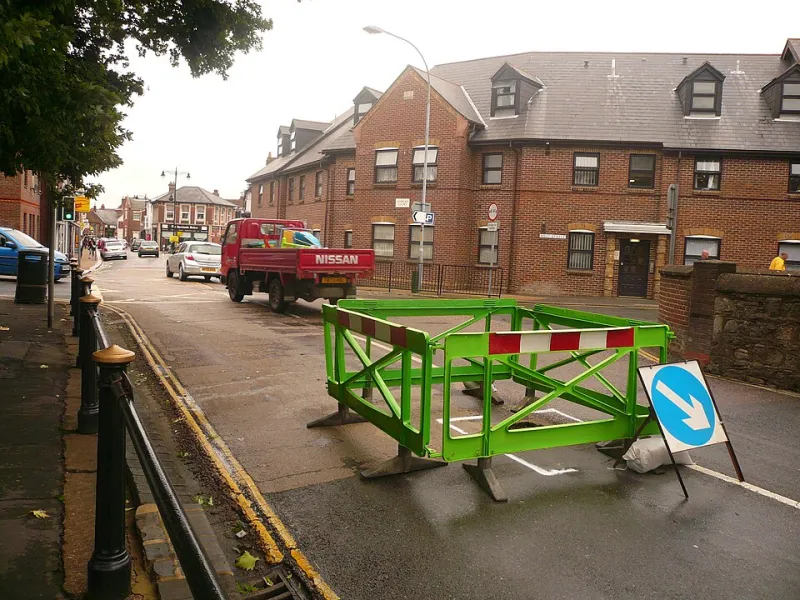
Photo: Editor5807, CC BY 3.0, via Wikimedia Commons
Bolton roads have a way of reminding drivers that water always wins. After a serious spell of rain, the cracks in the tarmac fill up, the edges soften, and then a cold snap does the rest. What looks like a harmless puddle on a familiar route can be a crater with a lid on it. Hit one at the wrong speed and the damage does not always show up straight away.
That is the tricky part. A pothole impact can bruise a tyre, buckle a wheel or knock the suspension out of shape, and the car may still feel roughly normal for a few miles. Then a week later there is a vibration, a clunk or a tyre that will not hold pressure. This is how a small road defect turns into a roadside recovery.
Why Bolton’s roads take a beating after storms
Water gets into small cracks and gaps in the surface. When it freezes, it expands. When it thaws, it leaves a bigger gap. Repeat that a few times and the top layer breaks away. Add traffic, and a small defect becomes a proper pothole. The roads around the moors, the older residential streets and the busier routes into and out of Bolton all take different kinds of punishment.
The A666, the A58, the M61 approaches and the smaller B roads towards Egerton, Bromley Cross and Belmont are all worth treating with respect after bad weather. Potholes often sit in the wheel tracks where you least expect them, and standing water hides the depth completely.
What a pothole impact actually does
A sharp hit sends a lot of force through the tyre, wheel, hub and suspension. Common outcomes include a sidewall bulge, a buckled alloy, a bent steering arm, a broken spring, a worn shock absorber, a damaged wheel bearing or knocked alignment. Sometimes the tyre survives but the tracking is out. Sometimes the wheel looks fine but the sidewall has a hidden weakness.
On a low-profile tyre, the risk of wheel damage is higher. On an older car, a pothole can finish off a tired suspension component that was already on its way out. That does not mean every bump is a disaster. It does mean a heavy impact deserves more than a quick glance.
Warning signs you should not ignore
The car pulling to one side is a classic sign of alignment or tyre damage. So is a steering wheel that no longer sits straight when you are driving in a straight line. Vibration through the wheel or floor, a new clunk over speed bumps, uneven tyre wear, a rumbling noise or a warning light for tyre pressure should all make you suspicious.
Get out and look if it is safe to do so. A bulge in the sidewall, a torn chunk of rubber, a visibly bent rim or a car sitting lower on one corner are all reasons to stop. Do not crawl under the car in traffic to investigate. If you are on a fast road or a blind bend, put your hazards on and get yourself somewhere safe first.
The two-minute post-impact check
Find a safe place well away from moving traffic. Check the tyre that took the hit and the one opposite. Look for bulges, cuts, tears and pressure loss. Look at the wheel face and the inner rim if you can see it. Check that the car sits level. Look for fresh fluid leaks under the car. Listen for anything scraping or hissing.
If the tyre is visibly damaged, do not try to nurse it home on a motorway or a fast A road. A sidewall bulge can let go without much warning. If the steering is badly off or the wheel is at a strange angle, call recovery. A few miles of driving can turn a repair into a much bigger bill.
When to call recovery rather than risk driving on
Call for help if a tyre is rapidly losing pressure, the sidewall is bulging or torn, the wheel is clearly buckled, the car is pulling hard to one side, the steering will not centre, or you can hear metal scraping. Brake or ABS warnings after an impact also deserve attention. If a spring has broken, you may hear a sharp clang and see the car sitting unevenly.
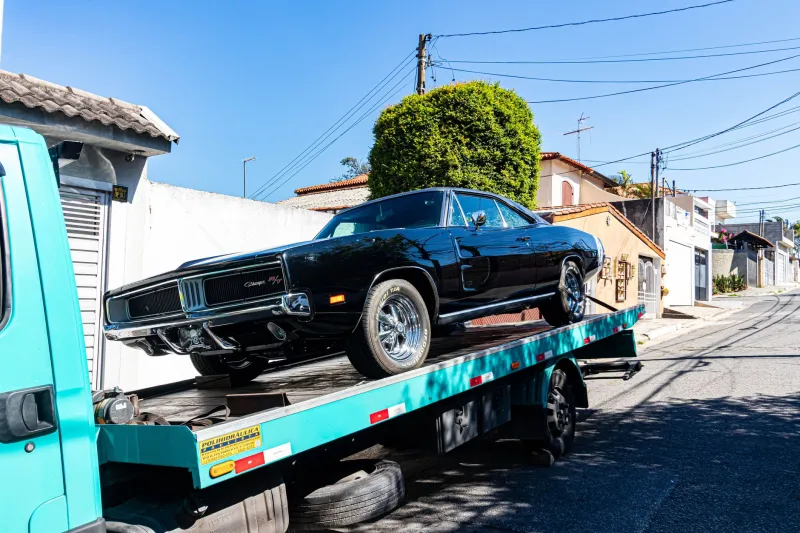
Bolton Breakdown Recovery exists for exactly this sort of thing. It is not a failure to admit the car should be moved on a transporter rather than driven. It is common sense. A damaged suspension component can fail properly at speed, and a damaged tyre can go flat in the outside lane of the M61. Neither is worth the risk.
How to report potholes in Bolton
If you hit a dangerous pothole, report it to the local authority with the location, the direction you were travelling, the approximate size and a photo if it is safe to take one. Bolton Council has an online reporting route for road defects. For motorway potholes, report to National Highways. Keep any receipts and photos if you intend to claim for damage, and note the date and time.
Reporting is not just a moan. It is how bad sections get prioritised. A pothole that has already damaged your wheel could catch out the next driver on the same commute.
Protecting the car for the rest of pothole season
Keep tyres at the correct pressure, because a soft tyre is more vulnerable to rim damage. Leave a bit more space so you can see and react. Slow down on wet roads where puddles are hiding the surface. Avoid the worst edges and wheel tracks where you can do so safely. And if you have had a heavy impact, get the car checked even if it feels fine. A wheel alignment check is cheaper than a pair of tyres and a suspension arm.
Potholes are part of Bolton life after a storm. Hidden damage does not have to be. A quick look, an honest assessment and a sensible call about recovery can keep a bad bump from becoming a proper breakdown.