Borrowed Keys, Broken Down: A Bolton Driver’s Guide to Someone Else’s Car
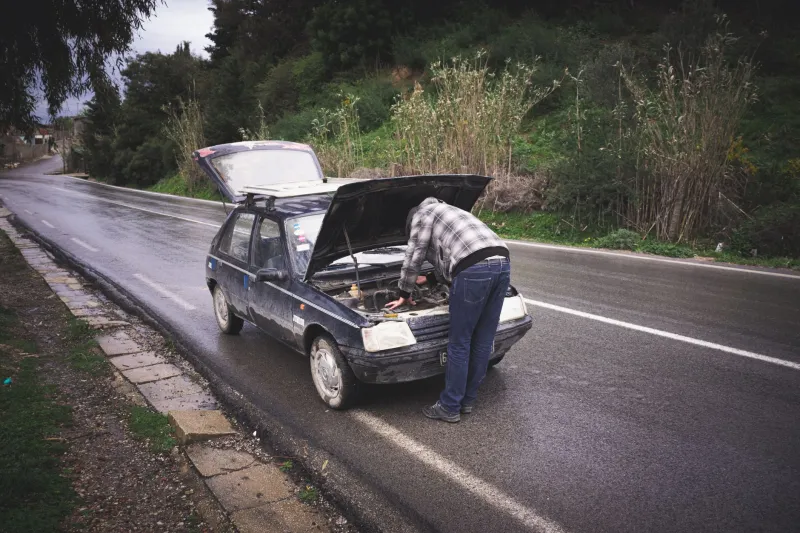
It’s a familiar Bolton scene: you’ve borrowed a car for the day, maybe to get across town for a shift, drop something off in Farnworth, or run a relative to an appointment. Then the dashboard lights up like a Christmas tree on Chorley New Road, or the van refuses to restart outside a bakery in Westhoughton. The vehicle isn’t yours. The keys are in your pocket. And suddenly you’re standing on a pavement wondering whose problem this actually is.
The short answer is that it’s a shared problem, but not a shared free-for-all. You’re the person on the scene, so you’ll often be the one making the first call. The owner or fleet manager is the person who usually holds the authority, the cover details and the payment decision. Keeping those two roles clear is the difference between a calm recovery and a very awkward group chat.
Start with permission, not panic
Before you ring anyone, take a breath and confirm the basics. You have the owner’s permission to be driving. You know where the car is — a proper road name, landmark or what3words pin helps. You know the registration. And you know whether the owner is contactable right now.
That last point matters more than people expect. Recovery dispatch may need to speak to the registered keeper or policyholder, especially if the cover is in their name. If the owner is at work and can’t answer, a short written message giving you permission to act on their behalf can save a lot of back-and-forth. Something like: ‘I’m driving your car, reg AB12 CDE. It’s broken down at [location]. Please confirm I can call recovery and authorise a tow to [preferred garage].’ Keep it simple and keep it in writing.
If it’s a work vehicle, don’t ring your own breakdown cover first. Ring the fleet contact, office manager or whoever deals with the vans. Many work vehicles sit on a business policy with specific instructions, approved recovery partners and a ‘do not take it to a random garage’ rule. Guessing can turn a flat battery into an invoice argument.
Who should actually make the call?
The driver on the scene can make the call. That’s usually the fastest route. But the person who owns the cover — or the business that pays for it — should be looped in straight away. If you’re in a friend’s car, a quick message saying ‘I’m calling your breakdown provider now, here’s the policy number if I can find it’ is far better than silence followed by a surprise tow bill.
Recovery call handlers will typically ask for the vehicle registration, location, nature of the fault, and a contact number. They may also ask who is authorised to instruct the recovery. If the policy is in the owner’s name, be honest about that. Pretending to be the policyholder is not a clever shortcut; it can delay things when the details don’t line up.
If the owner can’t be reached and you’re blocking a road or in a risky spot, emergency services or recovery may still need to make the situation safe. That’s about safety, not about you suddenly becoming the legal owner of a broken-down hatchback. Keep notes of who you spoke to and what was agreed.
Cover can follow the car, the driver, or neither
Breakdown cover in the UK isn’t one-size-fits-all. Some policies are vehicle-specific: they cover the car, whoever is driving it, within the policy terms. Others are personal cover, which may cover you driving any vehicle — but usually with conditions. Some bank account packages include cover that looks generous until you read the small print about vehicle age, mileage or whether you’re the registered keeper.
So don’t assume. If the owner has a policy, ask them to check the documents or ring the provider. If you have personal cover, check whether it applies to a borrowed vehicle. If nobody is sure, tell the recovery provider the situation honestly. They would rather hear ‘it’s my mate’s car and I’m not sure whose cover applies’ than discover it halfway through the tow.
A practical tip: photograph the insurance and breakdown cover details if the owner is happy for you to do that. Don’t rummage through the glovebox for the V5C — the registered keeper document isn’t proof that you’re allowed to drive, and it isn’t usually needed for a roadside call. What matters is permission, cover and a clear payment plan.
The roadside bit still comes first
Before any of the admin, make sure everyone is safe. Pull as far left as you can, switch on the hazards, and get out on the pavement side if it’s safe to do so. If you’re on a smart motorway or a fast dual carriageway, don’t stand behind the car making phone calls. Use the emergency area, get behind the barrier if there is one, and call 999 if someone is in danger.
Don’t start fault-finding on someone else’s vehicle unless you know what you’re doing and you have permission. Checking whether the fuel gauge is actually empty is fine. Disconnecting the battery on a mate’s car because a forum said so is not. The same goes for warning triangles, tyre changes and temporary repairs — helpful, but only if it’s safe and authorised.
When you speak to recovery, be specific. ‘I’m in a borrowed silver Golf, reg ending in XYZ, outside the retail park on Manchester Road, hazards on, car won’t restart’ is much more useful than ‘I’ve broken down somewhere in Bolton.’ Mention if the car is in a multi-storey, a tight terrace, a car park with a height barrier or a busy junction. Those details change how the recovery van approaches the job.
Keep the owner in the loop without turning it into a trial
Blame is rarely useful at the roadside. Cars break. Borrowed cars break too. What helps is a clear trail: where the car is, who called, what was agreed, whether a tow was authorised, and where the vehicle is going. Send the owner a photo of the dashboard if warning lights are relevant, a pin for the location, and the recovery reference number if you get one.
If the car is going to a garage, the owner should authorise the repair, not you. You can agree to a recovery to a safe place or a named garage, but don’t promise diagnostic work or repairs on their behalf unless they’ve explicitly said so. If payment is needed on the spot, clarify whether you’re paying and being reimbursed, or whether the owner is paying the recovery driver directly. Get a receipt either way.
Hand it back calmly
A borrowed-car breakdown doesn’t have to become a friendship test or a workplace incident. Confirm permission, check whose cover applies, call the right person, keep the owner informed, and don’t authorise work you don’t own. If you’re in Bolton and the car is stuck somewhere awkward, tell the recovery team about the local layout — the narrow street, the barrier, the school run traffic — so the right van turns up with the right plan.
Then do the most underrated thing of all: hand the keys back with a clear summary. Where the car is, what happened, who knows about it, and what happens next. That’s how you borrow a car, break down in it, and still get invited round for tea.