Between the Call and the Van: A Bolton Waiting Plan That Keeps Everyone Calm
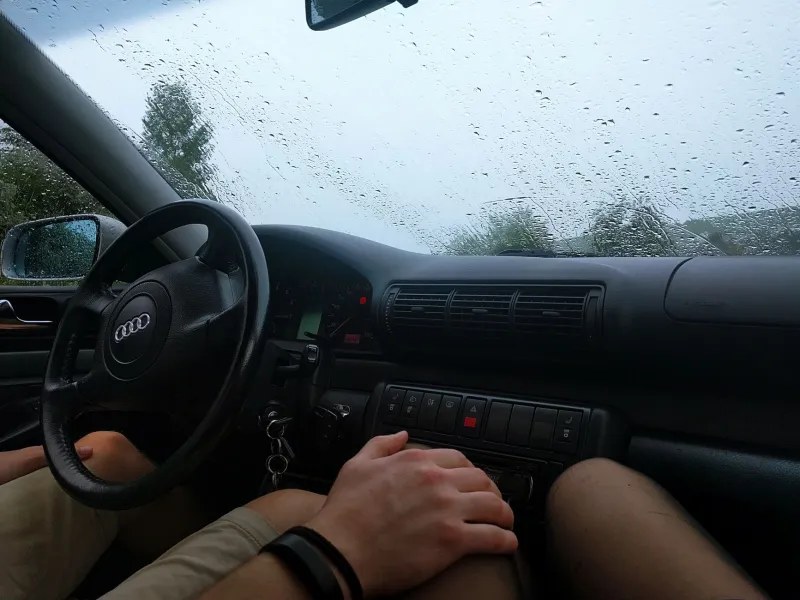
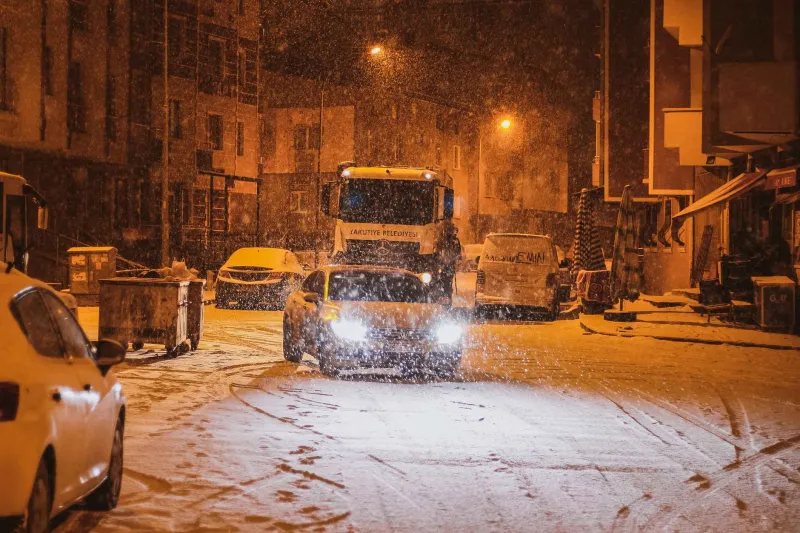
You have done the important bit. The phone was answered, the location was taken, and someone told you a recovery van would be with you. Then comes the bit nobody plans for: the wait. In Bolton in November, that wait can feel longer than it is. The rain is horizontal, the light has gone by half four, and every set of headlights looks like it might be your van until it sails straight past.
The wait is not dead time. It is part of the recovery job, and how you spend it makes a real difference to how the handover goes when the van does arrive. Here is a calm, practical plan for the gap between ringing and rescue.
First, make the car boring
Boring is good. A boring car at the side of the road is visible, predictable and easy for a recovery driver to approach. Hazard lights on, sidelights on if it is gloomy, and the car parked as far off the traffic as you can manage. If you are on the hard shoulder of the M61 or the M60, put the wheels left, leave by the left-hand door, and get behind the barrier if it is safe to do so. Do not stand at the back of the car having a think. Do not put a warning triangle out on a motorway. On an ordinary Bolton road, a triangle is only worth it if you can place it safely, on a straight bit, without stepping into traffic. If in doubt, skip it.
If the car is still in a live lane and you can move it, move it. A lay-by on Chorley New Road, a side street off St Peter's Way, a supermarket car park in Horwich: anywhere off the running lane is better. If you cannot move it, keep seatbelts on, keep hazards flashing, and ring 999 if you are in immediate danger. The recovery van is not the first priority in that moment. Your safety is.
Keep people warm, not wired
Children, dogs and nervous passengers pick up on the mood in the car. If everyone is warm, told what is happening and given a job, the wait feels shorter. Coats on, blanket out, flask if you have one. Do not let kids run around the verge or stand by the boot to watch the traffic. If you are safely parked off the road, it is fine to relax a bit, but keep an eye on the doors and the traffic.
Idling the engine for twenty minutes to keep warm is tempting, but do not do it in snow or if the exhaust could be blocked. If you are charging a phone from the car, keep an eye on it. Lower the screen brightness, close the apps you do not need, and tell someone at home where you are and what has happened. A shared live location is worth more than a long explanation.
Have the details ready before the knock
The recovery driver will want the basics quickly: registration, make, model, colour, and exactly where you are. Have your phone unlocked and ready. If you can, note the nearest junction, landmark or what3words location. On a back street in Halli'th'Wood or a narrow lane near Egerton, mention the tight turn, the gate code or the fact that the road is blocked by a bin lorry every Thursday. Access notes save time.
Keep your keys with you, not buried in a bag in the boot. Have your breakdown cover reference handy if you have one. If there are children, pets or a vulnerable passenger in the car, say so when you update dispatch. That is not fussing. It helps the driver arrive prepared.
Know when to ring again
There is a difference between a useful update and an anxious repeat call. Ring dispatch again if you move the car, if the situation changes, if someone feels unwell, if the police or highways have moved you on, or if you are somewhere the driver will struggle to see. One clear update is worth five 'any news?' calls. Dispatchers are juggling a lot of vans and a lot of weather. If you spot the recovery vehicle, say so, but do not step into the road to wave it down.
The waiting-room mistakes
The roadside is not a waiting room. Do not wander off to find a better signal and leave the car unattended with hazards off. Do not stand between your car and the traffic. Do not let passengers sit unbelted in a live lane. Do not attempt a DIY repair in fast traffic, and do not accept a tow from a mate with a rope and a good heart. If you are on a smart motorway, use the SOS refuge area if that is where you have ended up, and stay behind the barrier.
If it is an EV
Electric cars break down in much the same way as petrol ones, but the wait has its own wrinkles. Keep the hazards on, do not open the bonnet if you are not sure what you are looking at, and tell dispatch whether this is a charging problem, a 12-volt problem or something else. If you are on a moorland road above Bolton, the wind chill is the real enemy. Stay in the car if it is safe, keep a blanket handy, and do not drain the main battery trying to run the heater at full blast.
The last five minutes
Recovery vans do not always arrive from the direction you expect. Watch for amber lights, not just a large truck. Keep your phone on. When you see the van, stay put and let the driver position. Have your keys ready, but do not stand at the kerb like a taxi marshal. A calm wave and a clear location are enough.
The wait is a handover, not a limbo. Do the simple things, keep everyone together and keep the car easy to find. The van arrives to a calm scene, and that is half the recovery done. At Bolton Breakdown Recovery, we would rather you spend the wait keeping warm and keeping visible than worrying about the clock.