Lead, Lock and Listen: A Bolton Dog-Owner’s Breakdown Routine That Keeps Tails Calm
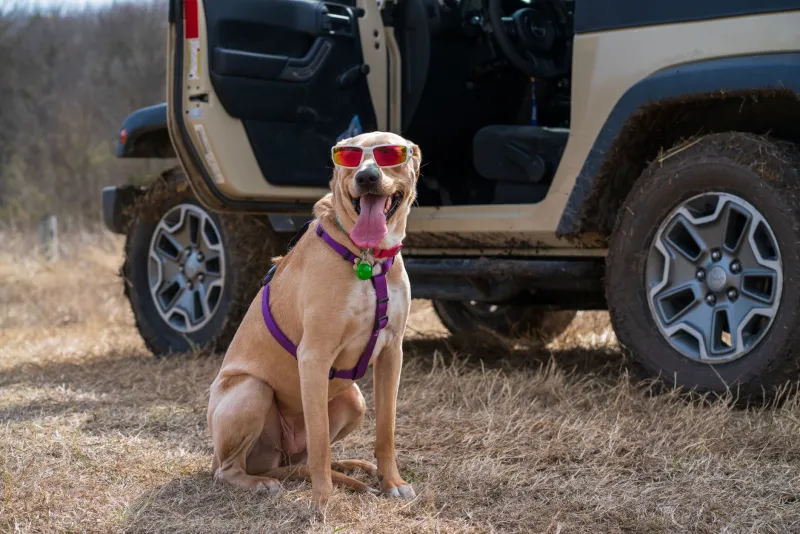
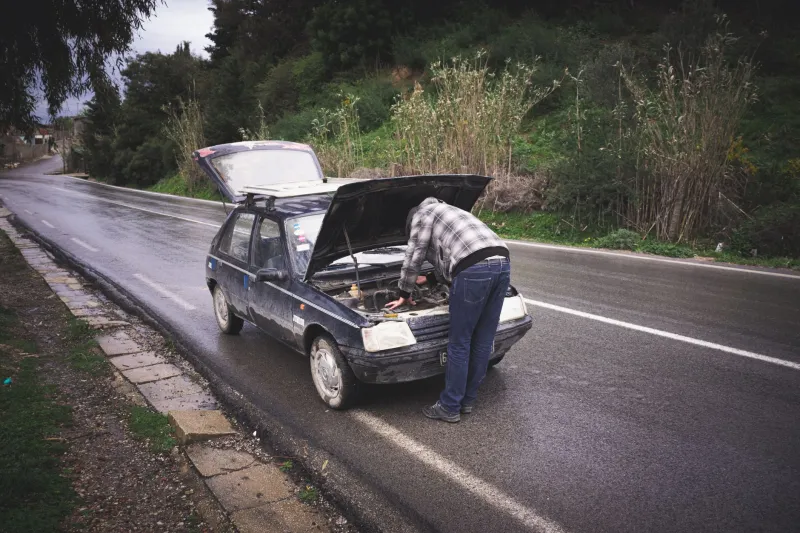
A breakdown is rarely convenient. Add a dog in the back and it becomes a different sort of problem: you are not just managing a dead battery or a suspicious noise, you are managing a passenger who does not understand why the car has stopped, why the hazards are clicking, or why you keep saying “just a minute” in a strained voice.
Bolton drivers love their dogs, and plenty of them travel with one on board — to the vet in Horwich, out to Smithills, across to Egerton, or simply through town on a Saturday. The trick is to have a routine before the warning light appears. Not a military operation, just a few decisions made in advance so that the roadside bit feels less like a scramble.
Start With Restraint, Not Restlessness
The Highway Code is clear that dogs should be suitably restrained in a vehicle so they cannot distract you or injure themselves in a sudden stop. In practice, that means a proper harness clipped to a seatbelt, a secured crate, or a boot guard that actually fits. A loose dog in the back is not just a lively passenger; in a breakdown or a tow, it becomes a safety risk.
If your dog travels in a crate, check the crate is strapped down or wedged securely. If they wear a harness, make sure it is the crash-tested sort rather than a walking harness that clips to a seatbelt and calls it a day. And keep a spare lead in the car — not buried under the shopping, ideally in the door pocket or with the spare wheel kit.
The First Two Minutes After You Stop
Once you have pulled over as safely as you can, take a breath and look at the dog before you reach for the phone. Are they panting heavily? Shivering? Trying to climb into the front? A calm dog is easier to manage, but a stressed one needs a plan.
On a quiet Bolton street, you may be able to open a rear door and let the dog out on a lead, well away from traffic. On a dual carriageway, a motorway hard shoulder, or the edge of St Peter’s Way, the safer default is usually to stay in the vehicle if it is safe to do so, keep the dog restrained, and call for help. Do not walk a dog along a hard shoulder. It is not a pavement, and drivers are not expecting you.
If you must leave the car because it is unsafe — smoke, fire, a collision — take the dog with you on a lead if it is safe and practical. If the dog is too large, too frightened, or too reactive to move safely, tell the emergency services and the recovery dispatcher straight away.
What Dispatch Actually Needs to Know
When you call Bolton Breakdown Recovery, or any recovery service, the dog is not a footnote. It changes the job. Tell the dispatcher:
- that there is a dog in the vehicle
- the dog’s size and breed type, if you know it
- whether the dog is in a crate, harness, or loose
- whether the dog is calm, nervous, reactive, or likely to bite
- whether you can safely wait outside the car with the dog
- whether you need a recovery vehicle that can accommodate the dog travelling with you, rather than in the towed car
That last point matters. A dog should not be left in a car while it is being towed. If your car is going on a flatbed, ask where the dog will travel. Usually the answer is with you in the recovery cab, but not every operator wants a muddy-pawed passenger, so it is worth asking before the truck arrives. If your dog is reactive, say so plainly. Nobody is judging; they are planning.
Heat, Cold and the Bolton Weather Factor
Dogs do not regulate heat like humans. A car that feels mild to you can become a greenhouse in minutes, even on a cloudy Bolton day. Never leave a dog in a parked car in warm weather, and that includes during a breakdown wait. If you are stationary and safe, open a window a few inches for airflow, offer water in a travel bowl, and move the dog to shade if you can do so without stepping into traffic.
In winter, the risks flip. Small dogs, elderly dogs, and short-coated breeds feel the cold quickly. A blanket in the boot is cheap insurance. Do not run the engine to keep warm if there is any chance of exhaust fumes entering the car, and do not leave a dog alone while you go to find shelter.
Watch for heavy panting, drooling, glazed eyes, vomiting, or collapse in warm conditions — that is a veterinary emergency, not a wait-and-see. In cold weather, shivering, whining, and reluctance to settle are signs the dog needs warmth and probably a blanket.
The Wait: A Small Kit Goes a Long Way
You do not need a doggy go-bag the size of a suitcase. A lead, a collapsible water bowl, a bottle of water, a few treats, poop bags, and a familiar blanket will cover most roadside waits. If your dog is on medication, keep a small supply in the car with a note of the dose. If they are anxious in vehicles, ask your vet about travel advice before you need it.
Use the wait to keep things boring. Boring is good. Park yourself somewhere safe, keep the lead short, and talk to the dog in the same voice you use at home. If you are on a verge, stay well back from the carriageway. If you are in a lay-by, keep the dog away from passing traffic and do not let them wander towards the road.
Vet Contacts Before You Need Them
Bolton has plenty of veterinary practices, but out-of-hours cover can change. Before a long trip, save your regular vet’s number and the number of the nearest 24-hour emergency service in your phone. Keep a paper note in the glovebox too — phones die, and breakdowns have a habit of happening when the battery is low.
If your dog shows signs of heatstroke, serious injury, or breathing difficulty, call the vet first and tell the recovery dispatcher you need the animal prioritised. A good recovery plan can account for a dog that needs to get to a vet rather than simply get home. Ask directly: can the recovery route include a vet stop, or can they help you arrange transport for the dog while the car is recovered?
The Calm Version of a Bad Day
A breakdown with a dog is not the moment to improvise. Restrain the dog properly, tell dispatch exactly what is on board, keep the animal out of traffic, and do not leave them unattended. Keep water, a lead, and a blanket within reach. Know your vet’s number. And remember that the recovery driver is not just collecting a car — they are helping you get a slightly bewildered passenger home safely too.