No Noise, No Drive, No Panic: Untangling an Electric Car Breakdown in Bolton
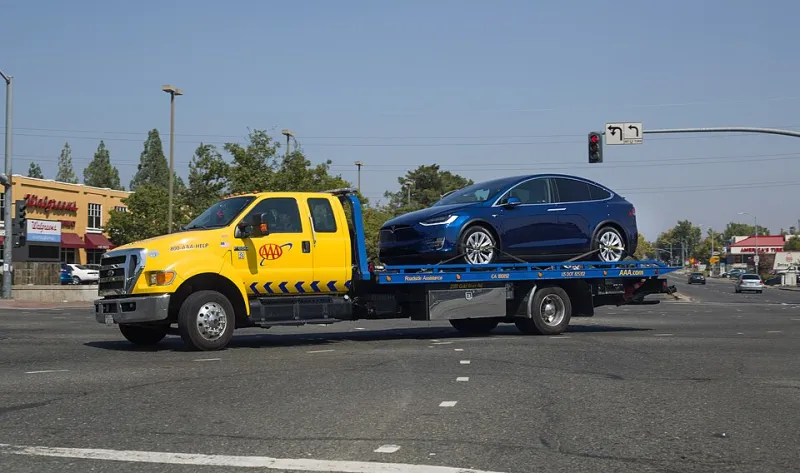
Photo: Robert Couse-Baker from Sacramento, California, CC BY 2.0, via Wikimedia Commons
An electric car that refuses to move can feel like a very modern kind of stuck. There is no starter motor grinding, no petrol smell, no obvious clue under the bonnet. Just a lit-up screen, a selector that will not budge and a growing suspicion that the whole thing is about to become expensive. In Bolton, that moment often happens in a retail park, on a frosty morning or at a charging hub with a queue behind you. The good news is that many ‘dead’ EVs are not high-voltage dramas at all. They are 12V battery failures, charge-port locks, software sulks or a car that simply needs a different sequence of switches. The trick is to sort the simple from the serious before you call for help.
First, Separate the Scary From the Simple
Most electric cars still carry a small 12V battery to run the computers, lights, locks and the contactors that wake the big traction battery. When that little battery goes flat, the car can look completely dead even if the main pack is nearly full. Dim dashboard lights, a fob that will not unlock, rapid clicking from the front and a screen that flickers before going dark all point towards the 12V side of things rather than a failed traction battery.
A high-voltage failure can happen, but it is far less common than a tired auxiliary battery or a charge-port mechanism that has locked itself shut. If the car is showing a bright red battery warning, a ‘stop safely’ message or any sign of smoke, heat or leaking fluid, treat it as serious. Otherwise, take a breath and gather clues before assuming the worst.
The Screen Is a Clue, Not a Diagnosis
Modern EVs love a warning message, and some of them sound far worse than they are. ‘Electrical system service required’, ‘vehicle not ready’ or ‘traction battery fault’ can appear because of a low 12V supply, a software glitch or a sensor that has had enough of the cold. Photograph the screen with your phone. Note the state of charge, whether the car is plugged in and what you were doing when it stopped.
Do not start clearing fault codes or disconnecting batteries in a car park. Try a full shutdown first: key out of range, wait a few minutes, then lock and unlock. Some cars need the brake pedal pressed firmly and the selector moved slowly. Others will not select drive if a door is open, a charge cable is still attached or the key has been left in the wrong place. Small things matter on EVs.
Roadside Fixes That Are Worth a Go
If the fob is dead, replace the battery or hold it against the marked emergency start point if your handbook shows one. If the car has a conventional 12V jump point, a jump pack can sometimes wake the systems, but only use the points the manufacturer specifies. Do not go poking around the orange cables or the traction battery. That is not a roadside job.
A locked charge port is another common culprit. If a cable is trapped, use the manual release described in the handbook rather than yanking the connector. Press unlock on the fob, try the release button again and check the charging app. If the car is still plugged in, it may refuse to move by design. Unplug first, then try the start sequence.
When to Step Away From the Car
Stop trying to fix it if you smell burning, hear hissing, see smoke or notice coolant on the ground. Damage to the undertray, a cracked battery casing or exposed orange cabling all mean the car should be left alone. Move people away, do not charge it and call the emergency services if there is fire or a risk to life. High-voltage safety is not about being dramatic; it is about not making a bad morning worse.
What Bolton Recovery Needs Before Dispatch
Our drivers can get to most Bolton locations quickly, but the right details save a second trip. Give the registration, make and model, exact location and a landmark or what3words reference. Say whether the car is in a multi-storey, underground car park, on a driveway or blocking a charging bay. Tell dispatch what the screen says, how much charge is showing and whether a cable is still attached.
Also mention passengers, pets, low clearance, air suspension and whether you have already tried a jump pack. If the car is in a busy retail park or a tight terrace street, say so. That helps the controller decide between a van, a flatbed and a little more patience.
Waiting Well: Kerbside, Car Park and Charging Hub
On a fast road, put hazards on, get behind the barrier if there is one and stay clear of traffic. In a car park, stay near the car but out of the way of other drivers. If you are blocking a charger, tell the site staff what is happening so they can manage the queue. Keep warm, keep your phone charged and do not sit in the car while it is being loaded.
Loading an EV Without Making It Worse
Most electric cars should go on a flatbed rather than be towed with wheels down. Some can be moved in a neutral or tow mode, but that varies by model and the handbook always wins. Low bumpers, plastic undertrays and heavy battery packs mean a careless recovery can cause expensive damage. Tell the driver if the car has air suspension or a very low splitter, and let them use skates or ramps if needed.
The Local Charging Quirks That Catch People Out
Bolton’s charging hubs and retail park points can be brilliant one minute and baffling the next. A DC charger may lock the cable while the car is still talking to it, and a failed session can leave the port stuck. Cold weather can also upset a weak 12V battery just as you are trying to leave. If an app says charging but the car disagrees, do not force the connector. Use the release procedure, call the charge point operator if necessary and keep the recovery team informed.
After the Flatbed: What to Sort Next
Start with the simple stuff: a 12V battery test, a charging session check and a dealer or specialist scan for the high-voltage system. Keep your photos of the warning messages. Do not authorise a large repair bill without a clear explanation, and ask whether a software update or a known service campaign applies. A calm, well-briefed recovery is only the first step; the second is making sure the same fault does not catch you out again on a Bolton morning.