Cover, Card or Caught Short: A Bolton Driver's Breakdown Cover Reality Check

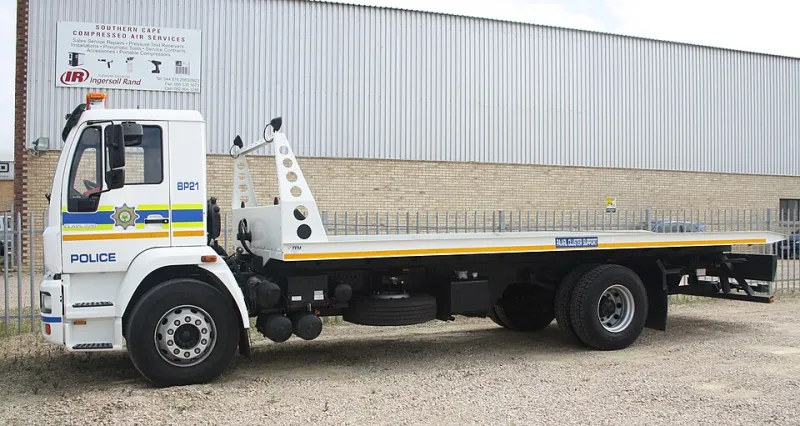
Photo: Kurseong Carl , CC BY-SA 2.0, via Wikimedia Commons
Breakdown cover is a promise, not a magic word
Breakdown cover is one of those products people buy and forget. It sits in a renewal email, a bank account perk or a dusty folder, and it only becomes real when a car refuses to start on a cold morning in Bromley Cross. The trouble is that cover is not a magic word. It is a contract with conditions, limits and exclusions. Pay-on-use recovery is a transaction with a price. Both can be sensible. What catches Bolton drivers out is assuming that cover means everything, everywhere, forever.
The three gaps that catch people out
The first is home start. Many policies will recover you from a road or a car park but not from your own driveway. If your car will not start outside your house in Horwich, you may need home start as an add-on. The second is recovery distance. 'National recovery' sounds generous, but it often means recovery to a nearby garage, not a tow to your preferred specialist or back home. The third is onward travel. If your car cannot be fixed the same day, a policy may not pay for a taxi, train ticket or overnight stay. That gap is easy to miss until you are standing in a service area at 9pm.
What a local recovery call actually includes
A pay-on-use call to a local recovery operator is usually straightforward. You call, you give your location and vehicle details, and you get a price for attendance and recovery. That price may include a set radius, with a per-mile charge beyond it. There is no membership card, no policy excess and no claim form. You pay for the job in front of you. The advantage is clarity. The disadvantage is that you are paying at the moment you are least flexible. A local operator can tell you what the call will include before they set off, which is more than many policyholders can say about their cover.
The language decoder
'Roadside assistance' often means a patrol will try to fix the car where it sits. 'Recovery' usually means a tow. 'Unlimited recovery' may have a mileage cap or a destination limit buried in the terms. 'Vehicle cover' may cover the car rather than the driver, which matters if someone else is driving. 'European cover' may be an upgrade, not a standard feature. 'Accident recovery' is often handled by insurance, not breakdown cover. And running out of fuel or charge is sometimes treated as a driver error rather than a breakdown. None of this is necessarily unfair. It is just the small print doing its job.
Cover versus card: not a moral contest
Some drivers swear by membership. Others prefer to pay only when something goes wrong. Neither approach is wrong. Membership spreads the cost and gives you a number to call. Pay-on-use keeps you from paying for a service you may never use. The mistake is buying cover for peace of mind and then not reading what the peace of mind covers. A policy that looks cheap can be excellent value if it matches your car, your mileage and your usual routes. A policy that looks comprehensive can be thin once the exclusions are added up.
A five-minute audit before winter
Before the cold settles in, dig out your policy and check a few things. Do you have home start? Is your vehicle listed correctly? Are named drivers included? What is the recovery distance? Is onward travel included, and what does it actually pay for? Are there age or mileage limits on the vehicle? Does the policy cover accidents, misfuels or EV charging issues? What number do you call, and is it saved in your phone? Do you need to pay upfront and claim back? A five-minute audit now is better than a twenty-minute argument at the roadside.
Questions to ask before you need help
If you are unsure, ring the provider and ask directly. Can you recover my car from my home in Farnworth? If you cannot fix it at the roadside, where will you take it? Is that included, or is there a per-mile charge? If the garage cannot repair it today, what happens to me and my passengers? Is the driver covered or the vehicle? Are there limits on older cars? Does the policy cover a breakdown caused by a pothole, a misfuel or a flat battery on a cold morning? Get the answers in writing if you can. Vague reassurance is not the same as cover.
The call you do not want to make
If your cover turns out to be thinner than you thought, you can still call a local recovery service. Ask for the price before you agree, tell them where you are and what you need, and keep the conversation calm. There is no shame in paying for a recovery you need. The shame is in discovering a gap you could have checked in October. Bolton drivers are practical people. A little scrutiny of the paperwork fits that habit nicely.