The Queue Isn't Random: How Bolton Recovery Calls Get Sorted
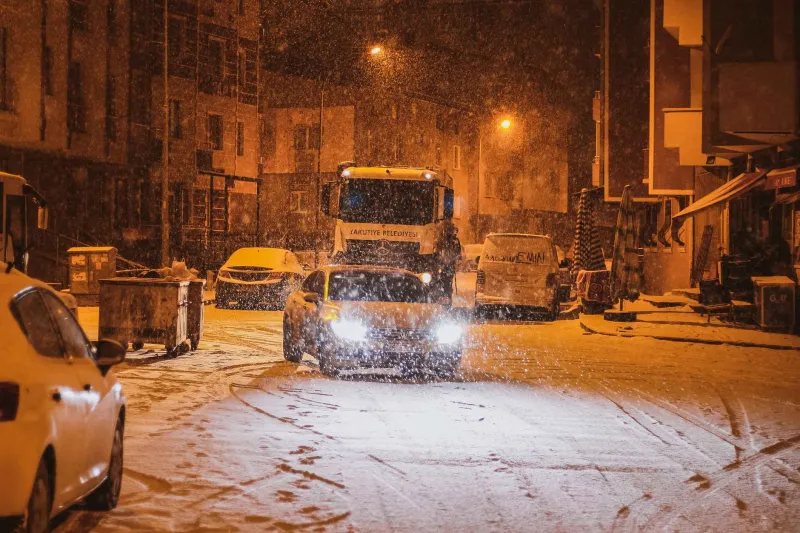
Picture this. Your car has given up on a quiet side street off Chorley Old Road. It is cold, it is dark, and you are safe. You ring for recovery. Twenty minutes later, a truck sails past and stops half a mile away for someone on the M61 hard shoulder. You might feel forgotten. You have not been forgotten. You have been triaged.
In Bolton, as in every busy recovery patch, calls are not answered in the order they arrive. They are sorted by risk. That word sounds clinical, but it is actually reassuring: it means the driver in the most dangerous spot gets help first, even if they rang after you. Here is how that sorting tends to work, what dispatchers need from you, and why a warm wait in a safe place is often the right result.
What triage means on a Bolton evening
Triage is not a ranking of who deserves help most. It is a ranking of who is most exposed right now. A dispatcher is weighing up several things at once: where the vehicle is sitting, whether anyone is in danger, how quickly conditions are changing, and what else is already happening across the patch.
A car that will not start outside a terraced house in Deane is inconvenient. A car stopped in a live lane on St Peter's Way is a different category entirely. A family with young children stranded on a cold verge near Middlebrook may move up the list. So might an older driver with no coat, a vehicle blocking a bus route, or a car leaking fuel on a forecourt. The logic is not personal. It is about preventing a bad situation from becoming a worse one.
The calls that jump the queue
Motorway shoulders and live lanes sit near the top for obvious reasons. Traffic is fast, visibility can be poor, and a stopped car is a hazard before anyone has even opened a door. The same applies to blind bends on rural roads out towards Belmont, or anywhere a vehicle is partly in a running lane.
Vulnerability matters too. Children, elderly passengers, disabled drivers, anyone without warm clothing, and people stranded after dark can all raise the urgency. So can weather. A freezing night on a exposed stretch near Winter Hill is not the same as a mild afternoon in a supermarket car park. Dispatchers also listen for medical issues, distress, and vehicles carrying hazardous loads or blocking emergency access.
Then there is the knock-on effect. One recovery truck may be clearing a callout that is already in progress. Another may be the nearest available vehicle but stuck behind a road closure. A truck passing you does not automatically mean it is free. It may be on its way to someone in a far more dangerous position.
What dispatchers actually need from you
Good information speeds things up. Vague information slows them down. The best callers give the basics clearly and then stop guessing.
- The exact location: road name, direction of travel, nearest junction or landmark, and a what3words reference if you have it.
- The vehicle: make, model, colour, and registration. If it is an EV, say so.
- The problem: will not start, flat tyre, warning light, smoke, leak, collision, or something else.
- The people: how many passengers, ages if relevant, and whether anyone is vulnerable or unwell.
- The safety position: are you in a live lane, on a hard shoulder, in a car park, or on a quiet street? Are you behind a barrier?
- The phone number you can actually answer, and whether you can stay with the vehicle.
If conditions change, ring back. Say clearly that the situation has changed: a car has moved into a lane, a child is now freezing, or the vehicle is now blocking an entrance. That is not pestering. It is useful triage information.
Why the safe side street sometimes waits
A side street in Farnworth with no traffic and no vulnerable passengers is low risk. That does not mean low priority forever, but it does mean a dispatcher can afford to send the next suitable truck rather than pulling one off a live-lane job. They may also batch nearby calls, or wait for a truck that is already heading back into the area.
It can feel unfair when you rang first. But the queue is not first come, first served. It is a moving picture of risk. The driver on the hard shoulder may have been one lane away from a serious incident. The driver on the side street may be safest staying put with the heater on. Both need help. Only one is in immediate danger.
What a good wait looks like
If you are in a safe spot, stay visible and stay warm. Use hazard lights if appropriate. On a motorway, get behind the barrier if you can do so safely and stay there. On a side street, do not stand in the road to flag down the truck. Keep your phone charged and answer unknown numbers, because dispatch may be calling with an update.
Do not wander off to find a cafe unless you have told dispatch and left a number. Do not stand behind your vehicle. Do not assume a passing truck is yours. And if someone stops to offer help, be cautious; a genuine offer is fine, but you are not obliged to accept a lift from a stranger.
When it feels unfair
If you have waited longer than expected, ring for an update. Be polite and be specific. Ask whether your details are still correct and whether there is anything you should do to make the vehicle easier to find. If your circumstances have changed, say so plainly. Exaggerating danger to jump the queue is not clever. It can pull a truck away from someone who genuinely needs it, and dispatchers can usually tell when a call does not add up.
The better approach is simple: give accurate facts, keep yourself safe, and let the triage system do its job. Bolton recovery teams know these roads. They know the difference between a nuisance and a hazard. Your job is to make sure they have the information to see which one you are.
The truck will come. In the meantime, a warm, safe wait is not a failure. It is often the best outcome of a call that has been sorted correctly.