The Driveway Standoff: Getting a Dead Car Out of a Bolton Terrace Without a Street-Wide Row
There is a particular kind of silence that follows a car refusing to start on a terraced street in Bolton. You turn the key, get a click, a whirr or absolutely nothing, and suddenly the whole street seems to be watching. The car is not going anywhere under its own steam, but neither is it conveniently parked on a wide forecourt. It is wedged between a gatepost and a wheelie bin, or sitting at the end of a back alley behind Halliwell, or nose-first up a steep driveway off Chorley Old Road.
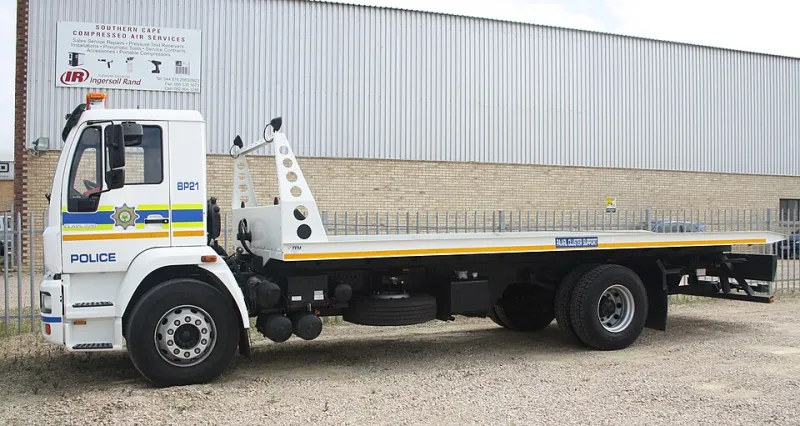
That is when recovery becomes less about jump leads and more about geometry, neighbourly goodwill and clear information. A flatbed truck is not a magic carpet. It needs space, a sensible approach and a driver who knows what they are walking into before they arrive.
First, resist the urge to shove
A car that will not start on a slope is not a shopping trolley. Pushing it alone, or with one helpful neighbour and a lot of optimism, is a quick way to turn a non-starting car into a damaged gate, a bruised shin or something worse. Steering locks, automatic gearboxes, kerbs and cambers all have opinions.
If the car is on a driveway and you think a small roll back would help, wait for instructions from the recovery dispatcher or technician. Do not release the handbrake on a slope and hope for the best. Chock the wheels if there is any doubt, keep children and pets clear, and leave the moving to people who do it properly. The aim today is a safe recovery, not a neighbourhood stunt.
Tell dispatch more than you think you need to
The most useful thing you can do before the truck leaves its base is paint a verbal picture. Give the usual details: your postcode, the vehicle registration, make, model and colour. Then add the bits that actually decide whether the job is straightforward or fiddly.
Is the car in a driveway, a back yard, a garage or on the street? Is it at the end of a shared alley? How wide is the entrance? Are there gateposts, bollards, low walls or overhanging branches? Is the road outside narrow enough that a parked van would cause a problem? Are there roadworks, skips, bins or a bin lorry due? Is the car an automatic, and do the wheels steer freely? Is the steering lock on? Do you have the keys?
A what3words location is genuinely helpful for back alleys and rear access points that do not match the front door postcode. A couple of photos from the street and from the vehicle’s position can save ten minutes of head-scratching when the truck arrives. If there is a permit scheme, a residents’ bay or a loading restriction, mention it. Nobody expects you to know chapter and verse on parking law while your car is dead, but the more the dispatcher knows, the better the plan.
The five-minute neighbour round
In a tight terrace, the recovery truck is not the only vehicle that needs room. Before it arrives, knock on the doors of anyone whose car, bin or garden furniture is likely to be in the way. A polite heads-up works far better than a recovery truck appearing while someone is reversing off their drive.
Ask if anyone can move a car, pull a bin in, or shift a trampoline. If a neighbour is out, leave a short note with your mobile number and a rough time window. Do not block anyone’s driveway, not even for five minutes, and do not put cones or bins in the road to reserve space. On a public street that tends to cause more friction than it solves. If the alley is shared, tell people at both ends, because someone may need to get out for the school run or a delivery.
The goal is simple: when the truck arrives, the route to your car should be as boring as possible.
Set the car up, but do not improvise
Once the recovery operator has told you what they need, clear the path. Open gates, fold mirrors if that helps, move bins and plant pots, and make sure the driveway or alley is lit if it is getting dark. If the car is on a slope, keep it chocked until you are told otherwise. If the steering lock is engaged, do not force anything; the technician will deal with it.
Empty the obvious valuables and anything you will need for the next few days, because the car may go to a garage or storage yard rather than staying local. Check for parking permits, work tools, child seats and the little things that are easy to forget once the vehicle is on a flatbed. Leave the keys with the technician when asked, and get a receipt or job reference if one is offered.
Keep the road moving while the truck works
A recovery truck reversing into a narrow terraced street is a slow, deliberate manoeuvre. Stand on the pavement, well clear of the truck’s path, and keep other people back. Do not stand in the road to wave directions unless the driver asks you to. Do not try to stop traffic on a busy road unless you are in a safe position and it is genuinely necessary.
If the street is too tight for the truck to get close, the operator may need to use a winch, skates or a longer carry from the alley. That is normal, but it takes time. Keep children and pets indoors, move any loose items that could blow about, and let the driver work at their own pace. A calm street is a fast street.
After the tow, check the small print of the street
Once the car is loaded, walk the route back. Are gates shut? Bins back? Any neighbour’s car still blocked? If you borrowed a space or asked someone to move, thank them. It sounds trivial, but tight-street recoveries run on goodwill, and the next time you need a favour you will be glad you left things tidy.
A non-starter is frustrating, but it is not a crisis if the logistics are handled sensibly. Give dispatch the full picture, be straight with your neighbours, keep the road clear and let the recovery team do the heavy lifting. In Bolton’s tightest terraces, that is usually the difference between a quick tow and a street-wide drama.