The Expensive Second Decision: Misfuelling on a Bolton Forecourt Without Making It Worse
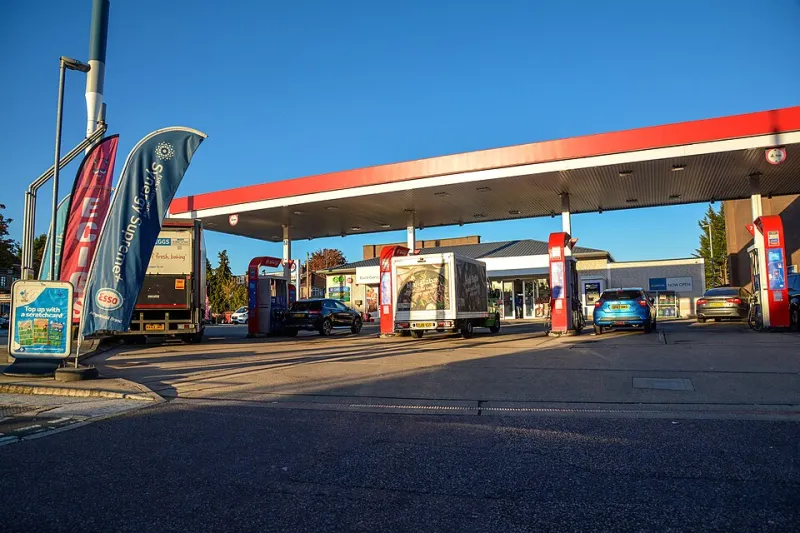
Photo: Lewis Clarke , CC BY-SA 2.0, via Wikimedia Commons
It usually happens in a hurry. You are at a forecourt off the A666, half-listening to the radio, thinking about the school run or a job in Horwich, and the nozzle goes in. You squeeze the trigger. Then your brain catches up with your hand: that is not the right colour. The tank is filling with the wrong fuel, and the next decision matters far more than the mistake itself.
Misfuelling is one of the most preventable breakdowns going, but it is also one where panic causes the real damage. The good news is that the first five minutes are simple. The less you do, the better your chances of getting away with a drain, a flush and a dent in your day rather than a dent in your bank account.
The five-second mistake and the five-minute rule
As soon as you realise what has happened, stop filling. Do not top it up with the correct fuel to dilute it. Do not tell yourself it will be fine because you only put a few litres in. And whatever you do, do not turn the key to see if it starts.
The five-minute rule is this: contain the problem, tell someone, and arrange recovery. If the engine has not been started, the wrong fuel is still mostly sitting in the tank. That is a recovery job, not an engine rebuild. If the engine has been started, switch it off as soon as it is safe to do so and be honest about it when you call for help. That one detail changes what the recovery crew needs to do.
Why the ignition is the expensive part
Modern fuel systems do not just pour fuel into a hole. Once the engine turns over, the low-pressure pump starts moving whatever is in the tank towards the engine, through lines and filters, and into the high-pressure side. Petrol in a diesel is especially unkind because diesel relies on its own lubricating qualities. Sending petrol through a common-rail diesel pump can wear or damage components that were never designed for it. Diesel in a petrol engine can foul spark plugs, upset sensors and poison the catalytic converter.
If the engine has not run, a recovery crew can often drain the tank, flush the lines and replace the fuel filter. If the engine has run, the job can grow. That is not scaremongering; it is simply how far the wrong fuel can travel in a short space of time. A ten-second turn of the key can be the difference between a roadside drain and a workshop visit.
Forecourt etiquette: do not become the pump-blocking problem
Forecourts are busy places, and a misfuel can quickly turn into a queue if you handle it badly. Tell the cashier straight away. They have seen this before, more often than you would think, and they will usually know whether you can safely push the car clear of the pump. Put your hazard lights on if the car is staying put. If it can be moved without starting the engine, push it to a safe spot with help from station staff, but do not start shoving a car around a tight forecourt on your own.
Do not attempt to siphon fuel yourself at the pumps. It is messy, it is unsafe, and it creates a disposal problem you do not want. Keep your fuel receipt. If the forecourt has CCTV, the cashier can usually note the time. Whether you are at a busy station near Middlebrook or a smaller forecourt in Egerton, the same calm approach works: tell staff, keep people clear, and call recovery.
What the recovery van actually does
A misfuel recovery is not just a case of sucking the tank dry. The crew will usually drain the contaminated fuel, flush the fuel lines, replace the fuel filter and then refill with the correct fuel. They may need to prime the system and run the engine to check it. Contaminated fuel has to be disposed of properly, so it is not something to tip down a drain or into a container in your shed.
Petrol in a diesel often needs a careful check of the low-pressure pump and the fuel system before the engine is run again. Diesel in a petrol may need new spark plugs if the engine has been started. Some jobs can be sorted at the roadside; others are better done at a garage. Ask what is included before work begins, and get a clear price. A good recovery operator will explain the difference between a drain-and-flush and a repair, rather than giving you a vague promise that it will all be fine.
The money conversation: cover, insurance and receipts
This is the bit nobody enjoys. Check your breakdown cover before assuming misfuelling is included. Many policies treat it as an add-on or a chargeable specialist job. If you have comprehensive car insurance, accidental misfuelling may be covered, but check your excess and think about the effect on future premiums before making a claim. If you are claiming, call your insurer before authorising expensive work and keep every document: the fuel receipt, the recovery invoice and the garage report.
Be honest about what happened. Insurance and recovery teams deal with misfuels every week, and a clear story gets you sorted faster than a creative one. If you are not claiming, you still want the paperwork in case a fuel-system fault appears later.
The habit that stops the sequel
Misfuelling is usually a slip, not a mystery. The fix is a two-second pause at the pump. Look at the nozzle colour and the label, not just the pump number. Say the fuel type out loud before you squeeze: petrol or diesel. Check the pump display as you start. Put a reminder sticker inside the fuel flap if you share the car or drive different vehicles. If you are in a borrowed car, a hire van or a pool vehicle, check twice, because habit will happily default to whatever you drive most often.
If it does go wrong, remember the Bolton version of events: stop, tell the cashier, call recovery, keep the receipts, and do not turn the key. The calmest person on the forecourt is usually the one doing the least. That is not laziness. It is the cheapest form of damage limitation you will ever manage.