The Post-Jump Test Drive: Reading Your Car’s Health on Bolton Streets
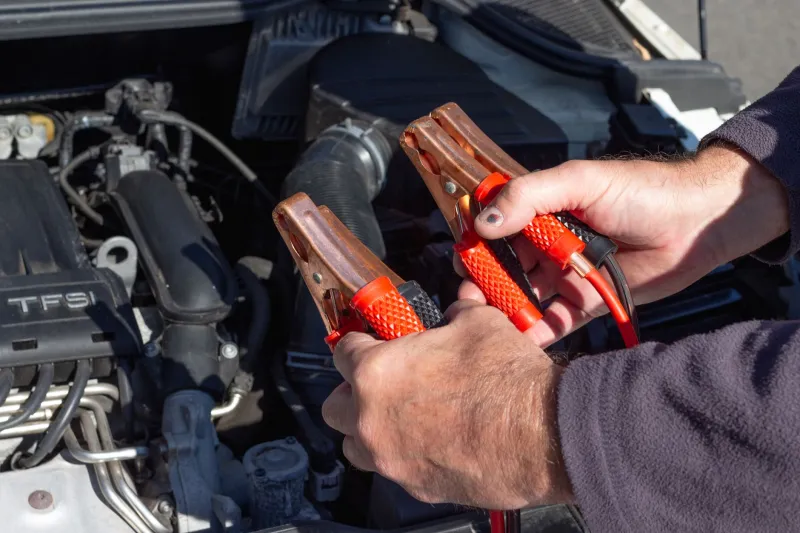
A jump start is a brilliant bit of roadside theatre. Leads on, engine catches, everyone breathes out. But it is not a repair. It is a temporary hand-up, and the real question is whether your car can keep itself going once the leads are back in the boot.
Sitting on a Bolton driveway with the engine idling for ten minutes feels sensible. It rarely is. Idling puts very little charge back into a flat battery, and it can hide a failing alternator or a battery that has simply had enough. The first proper drive after a jump is the useful test — not a long motorway slog, but a short, low-risk loop that tells you whether the system is holding.
Why a Driveway Idle Isn’t a Diagnosis
Modern cars ask a lot of their electrical systems. Lights, wipers, heated screens, phone charging, climate control — it all adds up. At idle, the alternator is spinning slowly and may only just keep pace with the load. A tired battery can look fine on the drive and then fail the moment you switch off and try again.
There is also a safety point. If something is wrong under the bonnet — a slipping belt, a failing alternator, a battery that is getting hot — you want to discover it while you are close to home, not halfway along a dark stretch of the A6. A short test drive gives you information without committing you to a long journey.
Plan the Loop Before You Turn the Key
Before you set off, decide where you are going and how you will get back if the car plays up. A ten to fifteen minute loop on quieter residential streets is ideal. Avoid motorways, avoid rush hour, and avoid anywhere you would not want to stop safely. If your garage is nearby, driving straight there is often the smartest move.
Tell someone you are doing a test loop. Take your phone, and keep it charged. Clear the windows properly, check your lights are working, and make sure the jump leads are stowed correctly rather than dangling near a hot engine. If the car has a battery warning light on the dash, do not set off at all — call for help instead.
The First Mile: Start and Settle
As soon as the engine starts, watch the dashboard. Most warning lights should go out within a few seconds. The battery light is the one to take seriously. If it stays on, the charging system is not doing its job. Pull over somewhere safe and call recovery. Do not convince yourself it will clear once you get going.
Listen as well as look. A squealing belt, a grinding noise, or a faint burning smell are all reasons to stop. Dim headlights or a dashboard that flickers when you press the accelerator are classic clues that the alternator is struggling. If the car starts to feel electrically odd — the radio cutting out, the blower slowing, the steering feeling heavier — find a safe place to stop.
Miles Two to Five: Add a Little Load
Once you are moving steadily, gently ask the car to work. Switch on the headlights, the heater blower, and the rear demister. You are not trying to torture the thing; you are checking whether the charging system can cope with normal demands.
Watch for lights that brighten and dim with engine speed, or a battery warning light that comes on when you slow down. Keep your speed gentle and your route simple. Avoid harsh acceleration and heavy braking. If the car begins to smell hot, smoke, or lose power, stop as soon as it is safe and call for recovery. A test drive is not worth risking an electrical fire or a breakdown in a dangerous spot.
Miles Five to Ten: The Repeat Start Test
The most revealing moment comes when you stop. Park somewhere safe — at home, at the garage, or in a quiet lay-by — switch off, wait a minute, and restart. That second start tells you far more than the first one did. If it cranks slowly, sounds sluggish, or fails altogether, the battery is not holding its charge. Do not keep jumping it and hoping. Repeated jump starts can damage electronics and leave you stranded somewhere worse.
If it starts cleanly, that is encouraging, but it is not a clean bill of health. A battery can hold just enough for one restart and still be on its way out. Check under the bonnet only when the engine is cool enough to touch. Look for corroded terminals, a loose clamp, or a battery that looks swollen. Do not poke around a hot engine or anything that smells of burning.
Warning Signs That Say Stop, Not Carry On
Pull over safely and call for recovery if you see or feel any of these:
- The battery warning light stays on.
- You smell burning or see smoke.
- The lights flicker badly or the dashboard dims.
- The car stalls repeatedly or loses power.
- The steering becomes heavy or a brake warning light appears.
- The engine overheats.
- You are simply not sure, and the route ahead feels risky.
Being cautious is not overreacting. A recovery van can test the charging system properly. Pushing on to save face is how a small problem becomes an expensive one.
If It Holds: What to Do Next
Even if the car behaves for ten miles, book a battery and alternator check. A jump start is a rescue, not a cure. Ask the garage to test the battery under load and check the charging output. If the battery is old, a replacement may be cheaper than repeated callouts. If you do mostly short trips around Bolton, a trickle charger can help keep the battery topped up between journeys — but it will not fix a failing alternator.
Keep a jump pack in the boot if it gives you confidence, but do not treat it as a substitute for maintenance. Cold mornings, short school runs, and a car that sits for days are all hard on batteries. A little prevention goes a long way.
The Ten-Mile Checklist
Before you drive: check for warning lights, plan a safe loop, charge your phone, and tell someone. During the drive: keep it gentle, add normal electrical load, listen for odd noises, and watch the dashboard. After you stop: restart once, check for sluggish cranking, and look for smells or heat. If anything feels wrong, stop and call for help.
The first ten miles after a jump start are not about proving your car is fine. They are about finding out whether it is safe to keep using. If it holds, get it checked. If it doesn’t, get it recovered. Either way, you have done the sensible thing.