Boot Check: What to Keep, What to Chuck, and the Five-Minute Reset for Bolton Drivers
Photo: Whatlep, CC BY-SA 2.0, via Wikimedia Commons
Most car boots are a museum of good intentions. There's a reusable bag, a half-empty screenwash, a football pump, and a coat you wore to a wedding in 2018. None of it is a plan. A useful boot isn't about preparing for the apocalypse; it's about making a wet Tuesday on the A666 slightly less grim. Here's what earns its place, what quietly makes things worse, and a five-minute reset you can do before the weekend.
The twelve that earn their space
- A hi-vis vest for every occupant. Not buried under the shopping. If you're standing on a verge or behind the car, you want to be seen before you're smelled.
- A torch or headtorch with fresh batteries. A phone light is fine until you need both hands and the phone is at 8%.
- A jump starter pack. Modern lithium packs are small, but they need charging every few months. A flat jump pack is just a heavy brick.
- A 12V tyre inflator and a proper pressure gauge. Most cars lose a few psi a month; a slow puncture on a cold morning is easier to manage if you can top up and get to a garage.
- A tyre sealant — in date, and understood. It can get you home from a nail in the tread. It is not a miracle for a torn sidewall. More on that below.
- A warm layer or foil blanket. Bolton weather doesn't need to be dramatic to be miserable. A blanket also helps if you're waiting with a child or a dog.
- A waterproof jacket and gloves. Umbrellas are useless in wind and worse when you're trying to hold a torch.
- Water and a couple of long-life snacks. Not a picnic. Just enough to stop the blood sugar crash while you wait for a recovery slot.
- A basic first aid kit. Check it once a year; plasters go crusty and painkillers expire.
- A phone cable and a power bank. The cable that only works when wiggled is not a cable. Test it.
- A folding warning triangle. For rural roads and lay-bys where you can place it safely. Do not use one on a motorway — that's a job for the hard shoulder and the emergency services.
- A small shovel, scraper and old towel in winter. The towel is for hands, boots, or a muddy wheel. The scraper is obvious. The shovel is for the one morning you need it and don't have it.
The five that should come out
- That ancient aerosol tyre foam. If it's been in the boot since before the pandemic, it's probably past its best. Worse, foam can make a repairable puncture unrepairable, and it won't seal a damaged sidewall. If you carry it, know its limits and replace it before it expires.
- The full socket set and trolley jack you've never used. Weight, rattle, and a heavy projectile in a sudden stop. A basic wheel brace and the car's own jack are enough for most drivers; leave the workshop at home.
- Loose heavy items. Paint tins, dumbbells, a toolbox that slides. In a sharp stop they become missiles. Secure them or take them out.
- Old fluids and chemicals. Part-used oil, leaking screenwash, antifreeze in a squash bottle. They smell, they spill, and they're an environmental headache if they tip over.
- The 'just in case' archive. Three umbrellas, last year's wellies, a deflated football, a broken child seat. Clutter hides the useful stuff and adds weight. If you haven't used it in a year, it doesn't need to live in the car.
Why the tidy-up actually matters
A heavy, cluttered boot isn't just untidy. It changes how the car behaves — slightly worse fuel economy, slightly longer stopping distances, and a lot more noise. Rattles mask new sounds, and a buried warning triangle or first aid kit is as good as not there. If you need to grab a hi-vis in a hurry, you don't want to be excavating a golf bag to find it.
The five-minute seasonal reset
Do this on the driveway, not in a rush. Empty the boot completely onto the ground. Bin the rubbish, launder the blanket, and check the dates on the sealant, first aid kit, and water. Charge the jump pack and power bank. Test the torch. Check the spare tyre pressure if you have one, and the tyre inflator. Then repack only the twelve items, with the hi-vis and torch on top. In winter, add the shovel, scraper, and a spare pair of gloves. In summer, you can lose the shovel but keep the water.
A last word
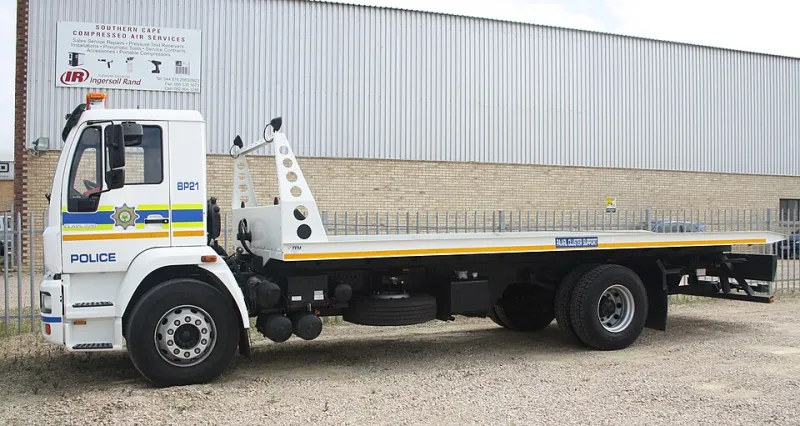
Boot prep isn't about expecting the worst. It's about making a bad day a bit less annoying. And if you do end up waiting for a recovery truck on a rainy Bolton road, a working torch and a hi-vis will be worth more than a boot full of maybes.