Wide Load, Narrow Street: Moving a Stuck Motorhome Off a Bolton Driveway
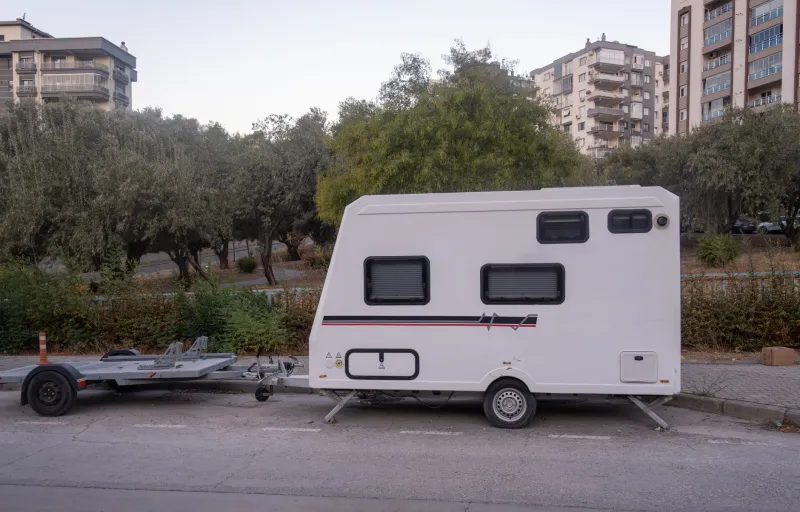
A campervan or motorhome parked on a Bolton driveway can look like freedom waiting to happen. Then the bank holiday arrives, the bags are by the door, and the vehicle won’t start, won’t move, or won’t fit past next door’s hedge. That’s when a simple pre-trip hiccup can turn into a morning of revving, reversing and neighbours peering through blinds.
The good news is that most driveway dramas are manageable. They just need a calmer plan than a car. Motorhomes are heavier, taller and wider, and they often sit for weeks between adventures. Treat the recovery step with a bit of respect and you can get moving without turning your residential street into an obstacle course.
First, Work Out What “Stuck” Actually Means
Before you ring anyone, separate the problem into two questions: will it start, and can it physically leave?
If the engine turns over but won’t fire, you may have a fuel or battery issue. If there’s a click and nothing else, the starter battery is a likely suspect. If it starts but won’t move, think handbrake, seized brakes after standing, a flat tyre, or something blocking the driveway. If it moves but can’t get out, that’s an access problem — and it’s better solved before a recovery vehicle arrives.
Be honest about which one you’ve got. A motorhome with a dead engine battery on a sloping driveway in Egerton is a different job from a vehicle wedged between a wall and a parked van in a tight Bromley Cross cul-de-sac.
Check the Basics Without Being a Hero
A few checks are sensible. A lot are not.
Look at the handbrake and any wheel chocks. Check that the habitation battery isolator hasn’t been left in a strange position, and that the vehicle isn’t still plugged into a hook-up cable you’ve forgotten about. On older motorhomes, make sure the fuel tap or isolator hasn’t been switched off. If it’s a diesel that has sat since last summer, stale fuel and a tired battery can gang up on you.
You can try a jump start if you know what you’re doing and the batteries are compatible. Don’t crank a big diesel engine endlessly, and don’t use a little lithium jump pack that’s meant for a 1.4 hatchback. If the vehicle has two batteries, don’t assume the leisure battery will rescue the starter battery. It usually won’t.
And please don’t try to tow a motorhome with a family car, a rope and optimism. That’s not a recovery plan. That’s how a driveway problem becomes a police incident.
Height, Width and Weight Are Not Small Print
Recovery dispatch will ask about size for a reason. A motorhome may be under 3.5 tonnes and still be tall enough to meet a low branch, a gateway or a height barrier on the route out. It may be wider than a standard van, with mirrors that add another chunk to the equation.
Have the basics ready: make, model, registration, approximate length, width and height, and the maximum authorised mass if you know it. If you’re not sure, say so rather than guessing. A panel van conversion and a coachbuilt motorhome are not the same beast when you’re choosing equipment.
Also check the route off the driveway. Is there a low wall, a lamp post, a tight gate or a parked car that turns the exit into a puzzle? In parts of Bolton — think older terraced streets, narrow lanes near Harwood, or driveways with a awkward camber — the last ten metres can be harder than the first ten miles.
Make the Driveway Boring Again
If the vehicle can be moved safely under its own power, do the simple things first. Ask a neighbour to shift a car if it’s blocking the exit. Trim nothing without permission, but note overhanging branches and low cables. Clear bins, planters and children’s bikes from the run-out. If the driveway slopes, make sure nobody is standing downhill of a vehicle that might roll.
If the motorhome hasn’t moved for months, check tyre pressures and look for soft or cracked tyres. A sagging tyre on a heavy vehicle can make steering and braking feel vague before you’ve even reached the road. Don’t set off on a long trip with a tyre that looks like it’s been on a diet.
What to Tell Recovery Dispatch
When you call for help, don’t just say “my camper won’t start.” Give the dispatcher a mental map.
Useful details include:
- Your exact location and whether the vehicle is on a driveway, sloping ground, grass, gravel or hardstanding.
- The registration, make, model and approximate weight and dimensions.
- Whether the engine starts, whether the wheels turn, and whether the handbrake releases.
- Access notes: gate widths, low branches, parked cars, tight corners, residential parking and any height restrictions on the road out.
- Whether the vehicle is loaded with gas bottles, awning, bikes or a trailer.
- Whether you need the vehicle recovered to a garage, a campsite, storage or back onto the road.
- A mobile number that will actually be answered.
If you’re in a terrace with limited space, say that early. Bolton recovery drivers are used to tight streets, but they’d rather know before they send the wrong vehicle. A flatbed or spec-lift needs room to work, and a bank holiday morning is not the time to discover that the only turning point is full of visitors’ cars.
Keep the Street Calm
A motorhome recovery can attract attention. That’s normal. What you don’t want is half the street offering contradictory advice while someone revs an engine.
Keep passengers, pets and curious kids well back. Put hazard lights on if the vehicle is partly on the road. Don’t stand behind or directly in front of a vehicle that’s being winched. If the recovery operator asks you to move something, move it clearly and then stay out of the working area.
If the motorhome is blocking a pavement or part of the road, a quick word with neighbours goes a long way. Most people are fine with a short delay if they know what’s happening and roughly how long it’ll take.
The Pre-Trip Habit That Saves the Bank Holiday
A week before you go, start the engine and let it run properly. Move the vehicle a few feet if you can, check the tyres, test the lights and make sure the leisure battery has some life in it. If it’s been sitting since the last trip, that small check is cheaper than a recovery call and far less dramatic than a driveway standoff.
Bolton’s streets are not built for surprises on a bank holiday morning. A little preparation, a clear head and a decent set of details for dispatch will get your motorhome moving — and leave the neighbours with nothing more to talk about than the weather.